Products
Knowledge & Support
Explore our Knowledge Hub:
Tips & Advice Education Area Case Studies The Grant House Virtual House FAQs Glossary Visit the Knowledge HubProducts
Knowledge & Support
Explore our Knowledge Hub:
Tips & Advice Education Area Case Studies The Grant House Virtual House FAQs Glossary Visit the Knowledge HubMy radiators are not as hot as they used to be - why?
If you are finding that some of your radiators are not getting as hot as they used to be, this could be due to a number of reasons. A cold or cooler radiator can be caused by a stuck TRV, trapped air in the radiator, incorrectly adjusted lockshield valves or a build up of sludge or debris. Here we will explain what to look for with some troubleshooting guidance for fixing cold radiators.
Cold radiators can be a common issue with central heating systems. Depending on the cause, a cold radiator can either be fixed with some simple troubleshooting or you may need to seek professional assistance from your heating engineer.
Stuck thermostatic radiator valve causing a cold radiator
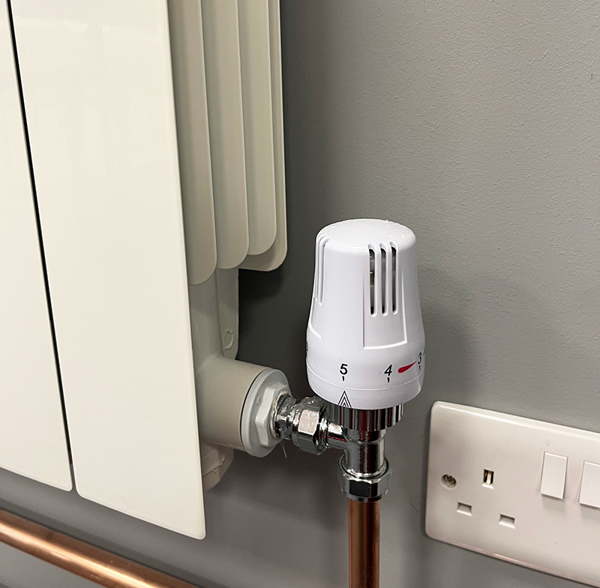
A stuck or faulty thermostatic radiator valve (TRV) is one of the most common causes for a cold radiator. A thermostatic radiator valve regulates the flow of hot water into a radiator according to the temperature of the room it is positioned in. If the TRV’s internal mechanism becomes stuck, it may prevent hot water from entering the radiator even when the heating is on, resulting in a cold or cooler radiator.
What to look for…
Check that the dial on TRV is turned up to a suitable setting. If the dial is correctly set and the radiator remains cold, the room may already be warm enough to meet the temperature set on the TRV. In this case, the valve will not open to allow hot water into the radiator, and the radiator may feel cool or remain cold. If the room is cooler than the temperature setting and the radiator remains cold, the valve may need inspecting by your heating engineer. Please do not apply force to the TRV control as this could cause damage.
Trapped air inside the radiator causing a cold radiator
A cold radiator can be caused by trapped air inside the radiator because the air prevents hot water from circulating through it properly. Trapped air inside a radiator often causes the radiator to feel cold at the top while remaining warm at the bottom.
What to look for…
Touch the top and bottom of your radiator – if the top is cold but the bottom is warm, trapped air may be the cause. If there is too much air within your radiators, this can be resolved by bleeding your radiators which is a relatively simple process although do have a cloth nearby to clear up any discharge. Bleeding a radiator can help release the air although you must follow the manufacturer’s guidance and check your boiler instructions first, especially if you have a sealed heating system. If the radiator remains cold after bleeding, another issue may be responsible for your cold radiator.
How to bleed a Grant Afinia radiator
If you have Grant Afinia aluminium radiators, we have shared step-by-step guides for how to bleed this type of radiator:
Incorrectly adjusted lockshield valve causing a cold radiator
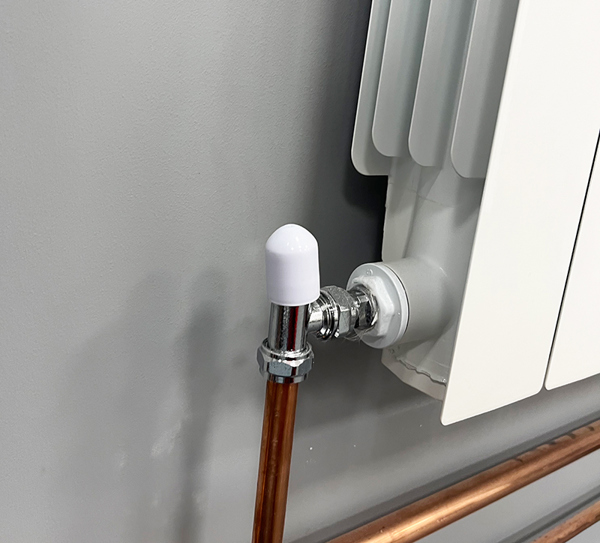
Lockshield valves help balance the flow of water between radiators throughout your home. If the system is not balanced correctly with one or more lockshield valves incorrectly set, some radiators may receive more hot water resulting in some radiators heating up much faster than others.
What to look for…
If you have one radiator which consistently heats up more slowly than others, especially if the affected radiator is further away from the boiler, your heating system may need balancing. Balancing a heating system should be carried out by a heating professional and will involve an engineer checking the lockshield valve settings and adjusting the water flow appropriately.
Sludge or debris causing a cold radiator
Over time, rust and dirt naturally build up within the heating water until eventually the formation of the thick, brown substance, known as sludge, develops. Sludge and debris can accumulate in the system pipework and in radiators causing a restriction in the circulation of water through a radiator, reducing its heating output.
What to look for…
If a radiator has persistent cold patches (particularly towards the bottom) or is unevenly distributing heat, this could be a sign of sludge build-up inside the radiator. Please speak to your heating engineer if you suspect sludge build up in your radiators – they can investigate whether sludge or another circulation problem is responsible for your cold radiator(s). Depending on their findings, your engineer may need to clean or flush the system.
Closed or faulty valve causing a cold radiator
A cold radiator can sometimes be caused by a radiator valve being turned off or developing a fault. If either a TRV or lockshield valve restricts the flow of water too much, the radiator will not receive enough hot water to warm up. Similarly, a damaged or faulty radiator valve can also prevent hot water from circulating correctly through the radiator.
What to look for…
Check that the radiator valves have not been accidentally turned down or closed. If the valves appear correctly set but the radiator remains cold, please contact your heating engineer to ask them to inspect the situation further.
Other causes of a cold radiator
If a radiator remains cold despite the valves appearing to work correctly and there is no evidence of sludge or air within the radiator, there may be a wider circulation issue at fault. Problems involving the pump, pipework or heating controls can all impact the flow of hot water through a system resulting in radiators being cooler than desired or expected.
The information provided here is advice only - if you are not happy to check your product, please contact a heating engineer to assist.
Was this article useful?
Have more questions? Submit a request
Are you a professional? View our Professional Support Centre
Couldn't find what you were looking for?
Alternatively you can speak to a member of our team - Subject to Operating Times