Products
Knowledge & Support
Explore our Knowledge Hub:
Tips & Advice Education Area Case Studies The Grant House Virtual House FAQs Glossary Visit the Knowledge HubProducts
Knowledge & Support
Explore our Knowledge Hub:
Tips & Advice Education Area Case Studies The Grant House Virtual House FAQs Glossary Visit the Knowledge HubBlog
Home heating blogs relating to oil and renewable technologies for industry professionals and homeowners

Renewable Heat emitters Underfloor Heating
Wet Underfloor Heating for new build properties
The Future Homes Standard will significantly increase the number of new build developments opting for air source heat pump heating systems. New build developers therefore need a heat emitter solution which is suitable for these low-temperature systems while also delivering comfort for their customers. In this blog, we explain why wet underfloor heating is an excellent choice for new build homes.

Air Source Heat Pumps Renewable
Heat pump running costs – what can you expect from an Aerona heat pump system?
An air source heat pump heating system is a highly efficient and environmentally friendly way to heat your home. The running costs of a heat pump are an important consideration for homeowners when researching this type of renewable heating. In this blog, we showcase some real-world Grant Aerona 290 heat pump installations, share their running costs and explain some of the factors which can affect bills.

Legislation Renewable
How smarter controls and AI point to more efficiency for heating systems
In this blog, we look at how smart heat pump controls and AI are improving efficiency, reducing running costs and helping local authorities in Scotland to focus investment where it is needed most.

Renewable
Air Source Heat Pump Installation Guide – what homeowners need to know
Air source heat pumps are a low carbon heating solution that homeowners can install at their homes to fulfil their heating requirements. With lots of choice, the heat pump market can be a confusing place for consumers so in this blog, we will explain some of the key considerations homeowners should be aware of when planning an air source heat pump installation.

Renewable Legislation
Do Grant heat pumps need planning permission?
When making any significant changes to a property, it is important to know whether or not planning permission is required. In this blog, we explain why most Grant heat pump installations do not need planning permission and while this blog is primarily aimed for installers and specifiers, the content will also be of interest to homeowners.

Renewable
What is the Boiler Upgrade Scheme?
The Boiler Upgrade Scheme (formerly known as the Clean Heat Grant) is open to applicants in England and Wales currently offering grants of £7,500 towards the installation of an air source heat pump to replace their existing boiler. A temporary increase to £9,000 for eligible oil or LPG‑heated homes has been announced by the Government and is available for applications submitted on or after 21st July 2026. To be eligible, installations must meet the Scheme criteria so to learn more about these requirements, please read this blog for the answers.

Air Source Heat Pumps
Heat Pump Grants and Incentives in the UK
In January, the Government launched its Warm Homes Plan which commits £15bn of public investment and home upgrades designed to help homes save on energy bills and reduce fuel poverty. Amongst the headlines, we want to break down what this means for homeowners and explain the financial support available for air source heat pumps.
Air Source Heat Pumps
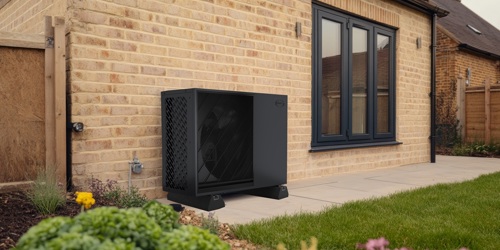
Why Air Source Heat Pumps are perfect for new build homes
One of the ways that new build developments are making their properties more environmentally friendly is by selecting low-carbon air source heat pump central heating systems. In this blog, we will explain why heat pumps are so well suited to new build homes, outline how the Future Homes Standard will soon mandate low carbon heating systems for new builds, and explain the benefits that heat pumps can deliver to developers, their properties and the homeowners who purchase them.
Technical Air Source Heat Pumps
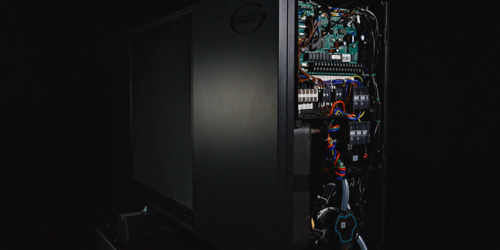
What electricians need to know about heat pumps
The installation of an air source heat pump is often completed by the installing engineer with the support of an electrician towards the latter stages of the install. Rob Dyer, Grant UK’s Technical Sales Support Engineer for the East of England and Midlands, shares a quick guide for electricians and what they need to know about working with heat pumps.
Subscribe to Grant News
Receive the latest news and updates about Grant products and services