An air source heat pump heating system is a highly efficient and environmentally friendly way to heat your home. The running costs of a heat pump are an important consideration for homeowners when researching this type of renewable heating. In this blog, we showcase some real-world Grant Aerona 290 heat pump installations, share their running costs and explain some of the factors which can affect bills.
Heating Solutions for Homeowners
Are you a Heating Professional?
Products
Knowledge & Support
Explore our Knowledge Hub:
Tips & Advice Education Area Case Studies The Grant House Virtual House FAQs Glossary Visit the Knowledge HubProducts
Unsure what you need?
Use our product finder tool
Knowledge & Support
Explore our Knowledge Hub:
Tips & Advice Education Area Case Studies The Grant House Virtual House FAQs Glossary Visit the Knowledge Hub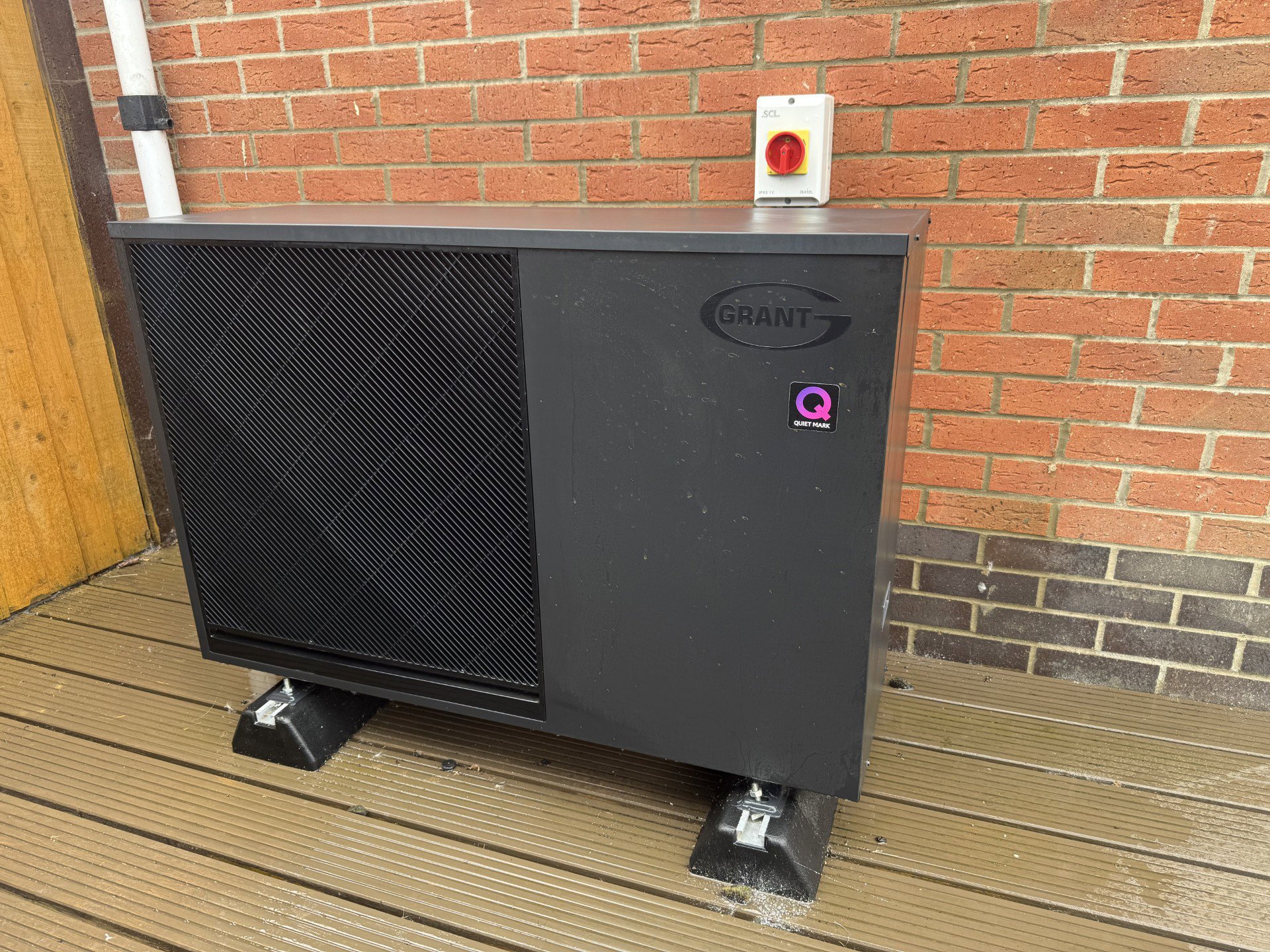
Heat pump running costs – what can you expect from an Aerona heat pump system?
|
Every home is different so when it comes to answering the question of “how much does a heat pump cost to run?”, there is no simple answer that can be applied to all homes. A lot of factors will determine the running costs of an air source heat pump and it is important for homeowners to understand these when reviewing the performance of their heat pump heating system. Heat pumps use electricity to operate, using the heat energy in the air outside your home and converting this into useable energy to heat your rooms and hot water – how much electricity a heat pump uses and their running costs will depend on a property, the system design, usage and of course the cost of electricity.
Here, we have some examples of heat pump running costs shared by homeowners who are living with a Grant Aerona 290 air source heat pump, providing insight into what variables can influence and change the cost of operating a heat pump.
Please note, all figures in this blog relate to specific Grant air source heat pump installations and are not presented as typical or average running costs for all homes. The data presented is correct at the time of publishing.
Quick links for this blog…
In this blog, we will explain:
What affects heat pump running costs?
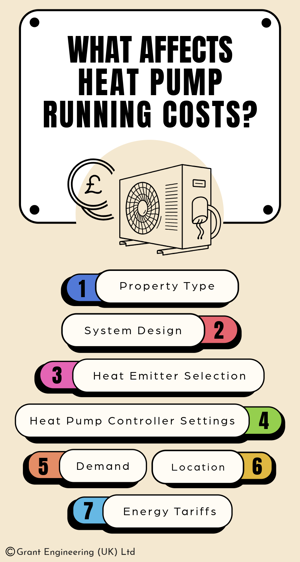
There are multiple factors which contribute to the running costs of an air source heat pump. Heat pump running costs will be influenced by property type, system design, heat emitter selection, heat pump control settings, demand, location and electricity tariffs.
Property type
Firstly, the make and build of a property itself including its building fabric and insulation can affect running costs. A well-insulated property requires less heat to maintain comfortable room temperatures which can lower heat pump running costs. Whereas a poorly insulated home with high levels of heat loss requires a larger amount of heating input from the heat pump which can increase electricity usage and therefore costs.
System design
Another contributing factor to heat pump running costs is the design of the system, such as the flow temperature, the type of heat emitters installed and the controller settings. The flow temperature refers to the temperature of water in a heating system as it leaves the heat pump and flows into the wider system. Lower flow temperatures improve the performance of a heat pump. A heat pump system operating at a flow temperature of 35ºC will operate more efficiently than a system with a higher flow temperature of 55ºC or more. At this point, it is important to highlight that high efficiency does not automatically equate to cheaper running costs because, as we will cover shortly, electricity tariffs will ultimately determine costs.
Heat emitter selection
The choice of heat emitters is another important part of designing a heat pump system. Heat pumps have lower flow temperatures compared to gas or oil boilers but they can still effectively heat rooms provided there is a large enough surface area through which the heat from the system can be transferred into a room. Heat emitters with a large surface area, such as underfloor heating systems or aluminium radiators, are designed to work with low temperature heat pumps and support their efficient operation. A system designed with undersized heat emitters will result in colder room temperatures than desired causing the heat pump to work harder, increasing electricity usage and costs.
Heat pump control settings
Heat pump controls must be correctly set up to ensure a heat pump operates efficiently and effectively. This includes correctly setting the heating and domestic hot water schedules, ensuring room temperatures do not drop too low during unoccupied hours and at night-time by using setback controls, and having suitable weather compensation set up to ensure the heat pump’s output is optimised in relation to the outdoor conditions. Incorrectly set up controls can impair a heat pump’s performance and increase running costs.
Demand and usage
Homes with a higher space heating and domestic hot water (DHW) demand require a larger heating output from a heat pump so they will typically use more electricity and have higher energy costs. The same applies to other types of heating systems – a large property using a traditional boiler will normally have higher energy bills than a smaller home using a boiler because it needs more energy to warm up a larger space. Similarly, if a household prefers warmer room temperatures or longer periods of the day at higher temperatures, this can increase demand on a heat pump.
Location and local climate
The location and local climate can affect running costs of an air source heat pump. Homes that are in colder parts of the UK, such as those in the north, will generally require more heat than those in warmer regions. This increases the demand on the heat pump system and electricity consumption.
Heat pump systems installed at properties located in cooler climate regions should be designed factoring in lower external air temperatures. This may mean that the heat pump required is a larger unit for a property in a colder climate compared to a similar house located in a warmer climate. An incorrectly sized heat pump installed in a cold climate will not operate effectively and will therefore have high running costs.
Electricity tariffs
Air-to-water heat pumps, including those supplied by Grant UK, use electricity to operate. The cost of electricity is one of the most influential factors to determine the cost of running a heat pump. All of the factors we have covered earlier in this blog can help a heat pump to be as efficient as possible and an efficient heat pump should use less electricity. However, the unit price of electricity is harder to control – global markets, differences between energy providers and energy caps are just a few factors which can cause changes in electricity costs. Shopping around for cheaper tariffs or heat pump specific tariffs can reduce the cost of running a heat pump.
How to approach heat pump running costs (without averages)
There are so many variables influencing the running costs of a heat pump so it nearly impossible to present an average heat pump running cost which can be applied to all homes. Running costs are individual to each property so presenting average or typical figures can be misleading. This is why we are sharing the running costs of two different Grant heat pump installations as examples and providing the context needed for understanding the costs, including the property type, system design conditions, and other factors.
Real-world example 1 – Aerona 290 heat pump in a 3-bedroom semi-detached property
This case study looks at a Grant heat pump installation which was completed in September 2025.
About the property and system
The property is a three-bedroom semi-detached house which was built in 2000 and located in Suffolk. It has an Energy Performance Certificate (EPC) rating of B with cavity wall insulation, 100mm loft insulation and double glazed windows already fitted.
Here is an overview of the heat pump system installed:
Heat pump model: Aerona 290 4kW air source heat pump
Cylinder model: 150L heat pump cylinder
Heat emitters: steel radiators
Controls: Aerona Smart Control with weather compensation enabled
Flow temperature: 42ºC at -2.4ºC design outside temperature
Heat pump efficiency: SCOP of 4.1 (correct May 2026)
Average room temperature: 21ºC
Electricity tariff: dedicated heat pump electricity tariff which varies with three levels of charges from 14p per unit, 28p per unit and 41p per unit
Additional information: a solar PV system is installed which generates electricity using the sun’s free energy. This means that some of the electricity used to run the heat pump is free.
Annual running cost data for this home
Over a 12-month period, this Aerona 290 heat pump system used 1,594kWh of electricity to produce 6,534kWh of heat. The homeowner estimates their electricity costs for this 12-month period to be between £226 and £401 for running their heat pump. Outlined below is a summary of their electricity charges using the different tariffs and the existing solar PV:
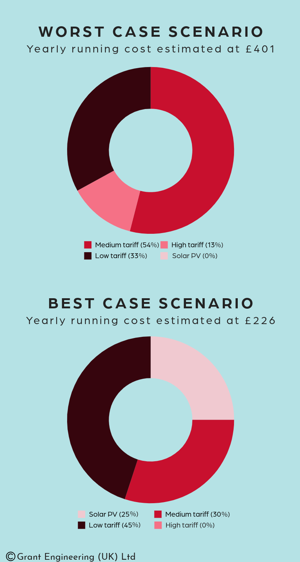
The figures above are supplied by the homeowner for their three-bedroom semi-detached house in Suffolk with an Aerona 290 4kW heat pump. The percentages refer to number of hours in each day that each tariff is active and available. In the best case scenario, the heating is turned off during the 3-hour period when the higher electricity tariff is active.
Comparing the heat pump with the previous gas boiler
A gas boiler was previously heating this home when their heating costs averaged £564 per year (including standing charges) and they used approximately 7,300kWh of gas per year. Since swapping to a heat pump, this homeowner expects to save between £338 (best case scenario) to £163 (worst case scenario) each year with their heating costs.
This example shows how heating system running costs can reduce when changing from a gas boiler to an Aerona 290 heat pump. Please note, the figures here relate to this specific installation only and should not be taken as typical running costs for all heat pump systems.
Real-world example 2 – Aerona 290 heat pump in 1970s bungalow
This second case study looks at the installation of a Grant Aerona 290 air source heat pump which was completed in August 2025.
About the property, system and previous boiler
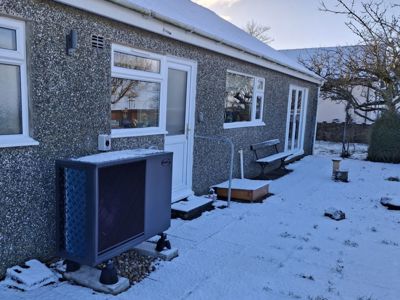
The property is a bungalow with a total floor area of 142m² located Gwynedd. Built in the late 1970s, the bungalow has cavity wall insulation, 150mm roof insulation and double glazed PVC windows. Previously heated by an oil-fired combi boiler, the homeowner wanted to replace this fossil fuel appliance with a renewable heat pump.
Here is a summary of the R290 heat pump system installed:
Heat pump model: Aerona 290 9kW air source heat pump
Cylinder model: 250L heat pump cylinder
Heat emitters: radiators
Controls: Aerona Smart Controller with weather compensation enabled
Flow temperature: 40ºC at -2ºC design outside temperature
Heat pump efficiency: SCOP of 4.7 (correct August 2026)
Average room temperature: 20.5ºC
Electricity tariff: agile tariff
Additional information: a 9kW home battery is also installed for electricity storage working alongside the agile tariff.
Annual running cost data for this bungalow
Over a 12-month period, this Aerona 290 air source heat pump heating system used 4,106kWh of electricity to produce 19,260kWh of heat. The running cost of this particular heat pump for its first year was £567 with the homeowner benefiting from an agile electricity tariff with storage battery. This system’s live heat pump performance data is available to view via HeatPumpMonitor. The homeowner also shared a video about their Grant Aerona 290 heat pump installation via YouTube.
Comparing the heat pump with the previous oil boiler
The homeowner calculated that their previous oil boiler would have costed £2,000 to deliver the same heat, using 2,100 litres of oil.* This heat pump has therefore saved the homeowner approximately 72% in running costs compared to their old oil boiler. (*Kerosene oil prices varied from 55.19p and 140.42p per litre between August 2025 and August 2026.)
This example here shows how heating system running costs can reduce when swapping an oil boiler for an Aerona 290 heat pump. Please note, the figures here relate to this specific installation only and should not be taken as typical running costs for all heat pump systems.
How to estimate the cost of running a heat pump in your own home
Now you have seen how much these two heat pumps are costing to run, how can you apply these examples to your own home? You can look for similarities between each of these examples and your own home, for example property size, building age, insulation levels, heat pump size and estimated energy usage. However, the running costs shared here should be treated as examples only to give a guide to real-world running costs – the costs should not be taken as like for like with your home because everyone’s comfort levels vary, each home will differ with its demand and requirements, and your electricity tariff may be a different too.
FAQs about heat pump running costs
Q. Can a heat pump cost more to run than a gas boiler?
A. In some instances, yes, a heat pump may be more expensive to run than a gas boiler if the heat pump system is incorrectly designed, sized and controlled, if gas prices are significantly lower than electricity charges and/or if there are changes in a property’s heating and hot water demand (such as more people in the household using the heating).
Q. Why do online ‘average running costs’ figures differ so much?
A. Every home and every heat pump installation is different so one system’s running costs will vary to the next. This is why annual heat pump running cost comparisons are difficult to calculate fairly.
Q. How can I reduce my heat pump running costs?
A. Firstly, speak to electricity providers to ask if they have a heat pump tariff or a cheaper electricity tariff that you could move to. Secondly, ensure your system is correctly set up – you may need to speak to your installer to help here so they can check the performance of your system and ensure the heating and hot water schedules are correctly set up to support heat pump efficiency. Thirdly, it is worth noting that your electricity usage will be higher during the winter months so when comparing your running costs with your previous appliance, ensure you compare the entire year not just a few months.
Q. Can I use these examples to estimate my own bills?
A. No. The heat pump running costs we have shared here relate to specific properties and their heat pump installations. The costs should therefore be used as a guide and not taken as average running costs for all heat pump systems.
Talk to an installer about your property’s running costs
To get a more tailored estimate for the running costs of a heat pump in your home, it is worth speaking to your local heat pump installer. After carrying out a heat loss calculation on your home, an installer will be able to identify any recommended energy efficiency improvements you may need to make to your home and they will be able to design your system, confirming the heat pump output you need and suitable heat emitters (if your current radiators are not suitable). Using the calculations from your property’s assessment and current electricity charges, you may then be able to calculate an estimate for your heat pump running costs.
Ready to take the next steps towards installing a heat pump? Here are some useful links and resources you may find interesting:

Helen joined Grant UK’s Marketing Department in January 2015 and is responsible for overseeing Grant UK's G1 installer loyalty programme, customer communications and copywriting.
View ProfileSubscribe to Grant News
Receive the latest news and updates about Grant products and services