Products
Knowledge & Support
Explore our Knowledge Hub:
Tips & Advice Education Area Case Studies The Grant House Virtual House FAQs Glossary Visit the Knowledge HubProducts
Knowledge & Support
Explore our Knowledge Hub:
Tips & Advice Education Area Case Studies The Grant House Virtual House FAQs Glossary Visit the Knowledge HubGovernment Incentives & Initiatives
Initiatives and legislation set out by the Government are designed to support the installation of efficient heating systems and sustainable technologies.
Warm Homes Plan
The UK Government’s Warm Homes Plan aims to deliver cleaner heat into up to 300,000 homes with financial support provided through a variety of schemes and measures. These include the Boiler Upgrade Scheme (BUS) as well changes to permitted development rights (in England) which now allow more households to install an air source heat pump without needing to submit a planning application.
The Warm Homes Plan also includes funding for energy efficiency upgrades (such as insulation and low-carbon heating) for social housing residents, lower income households and renters through the Warm Homes: Social Housing Fund and the Warm Homes: Local Grant.

Boiler Upgrade Scheme
In Spring 2022, an initiative encouraging householders to swap from fossil fuelled heating systems to renewable heating systems was launched by the Government. The Boiler Upgrade Scheme provides eligible homeowners with a grant of £7,500 if they install a low carbon heating system, such as an air source heat pump. The aim of this scheme is to make funds available to help offset the installation costs of a heat pump, helping to make them more comparable with the costs associated with a traditional gas boiler replacement.
The Boiler Upgrade Scheme forms part of the Government’s Heat and Buildings Strategy which sets out its plans to decarbonise home heating and reduce the dependency on fossil fuels.
Warmer Homes Scotland
The Warmer Homes Scotland programme is funded by the Scottish Government and it offers financial support to households who are struggling to keep their homes warm. The aim of Warmer Homes Scotland is to help homeowners make their homes warmer by installing a range of energy saving improvements, from wall and loft insulation through to draught-proofing and installing renewable technologies.
Households seeking to apply for Warmer Homes Scotland funding will need to meet the programme’s eligibility criteria.

Home Energy Scotland Funding Scheme
The Home Energy Scotland (HES) Scheme, which provides grants and loan funding to eligible households in Scotland, is also funded by the Scottish Government. HES funding provides financial support to homeowners to install renewable heating systems and energy efficiency measures in their homes. Air source heat pumps are one of the technologies supported through this Scheme with HES grants of up to £7,500 and HES loans available for heat pumps.
Households interested in applying for HES funding need to meet the Scheme’s eligibility requirements.

Nest Scheme in Wales
The Nest Scheme is part of the Welsh Government Warm Homes programme. Through the Nest Scheme, homeowners can access free and impartial advice about their home’s heating and the ways in which they can make their home more energy efficient. For eligible households in Wales, the Nest Scheme can also release funding to cover a package of home energy efficiency improvements such as a new central heating system, insulation and solar panels.
Households seeking to apply for free home energy efficiency improvements through Nest will need to meet the Scheme’s eligibility criteria.

VAT removal on electricity bills
The Government has introduced a temporary VAT cut which is designed to help reduce household electricity bills in England, Scotland and Wales. Between 1st October 2026 through to 31st March 2027, VAT is not being charged on electricity bills which should result in a reduction in energy bills for most families. This temporary removal of VAT on electricity will not only benefit homes with the cost of their day-to-day electricity usage but also those living with air source heat pumps.
Zero VAT
In the Chancellor’s Spring Statement published in March 2022, the Government announced a five year zero-rate of VAT for the installation of certain types of energy saving materials, including solar thermal systems and air source heat pumps. Effective from 1st April 2022 until 31st March 2027, the zero rate will be available to provide VAT relief for energy saving materials being installed in domestic properties throughout Great Britain. It is hoped that this initiative will encourage the uptake of low carbon heating systems as well as other measures homeowners can take to improve the efficiency of their homes.

ErP Directive
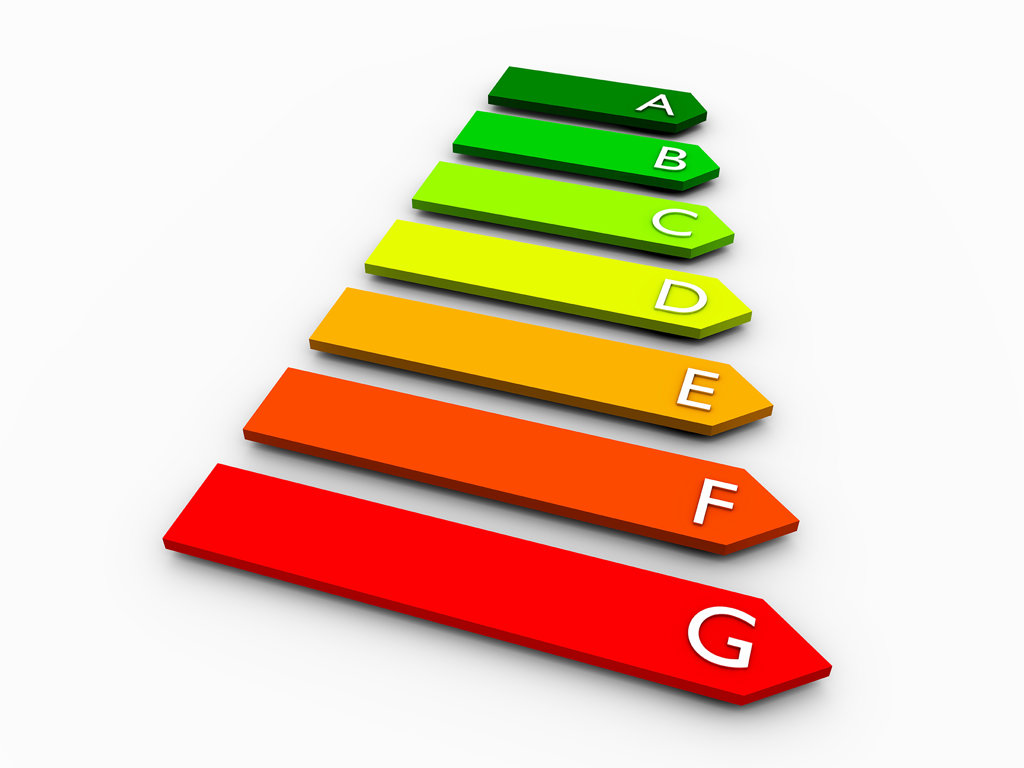
The Energy related Products (ErP) Directive is an EU initiative designed to achieve reductions in energy usage, emissions levels, and other environmental issues such as noise and the use of refrigerants. The Directive incorporates energy labelling requirements for space and water heaters, ensuring that appliances meet energy efficiency requirements while also helping consumers to identify most energy efficient products. It is the manufacture’s responsibility to issue their individual products with the necessary labels and product fiches and it is the installing engineer’s responsibility to issue an efficiency label for the entire heating system.
ECO Design Directive
The ECO Design Directive forms part of the ErP regulations. The ECO Design Directive requires manufacturers to decrease the energy consumption of their products including space heaters, combination heaters, water heaters and thermal stores. For example, under the ECO Design Directive, it is a mandatory requirement for heating systems to be fitted with High Efficiency pumps. By complying with the ECO Design Directive products will consequently adhere to the ErP Directive requirements.

How can we help you today?
Product Spotlight
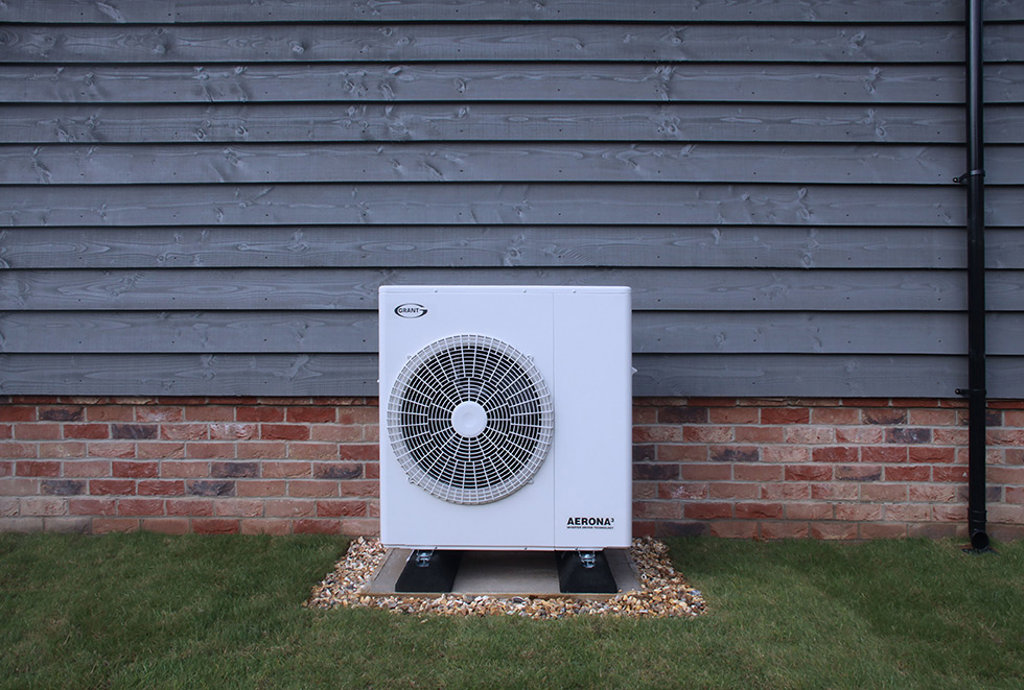
Air Source Heat Pumps
Grant's Aerona³ and Aerona 290 air-to-water heat pumps are an environmentally-friendly, renewable solution for heating your home and hot water.
Blog
Heating advice blog
Discover about home heating advice for oil boilers, heat pumps and new technologies with our blogs for homeowners and professionals