Solar thermal systems are an excellent addition to any heating system, using the free energy from the sun to help fulfil your home's hot water requirements.
Heating Solutions for Homeowners
Are you a Heating Professional?
Products
Knowledge & Support
Explore our Knowledge Hub:
Tips & Advice Education Area Case Studies The Grant House Virtual House FAQs Glossary Visit the Knowledge HubProducts
Unsure what you need?
Use our product finder tool
Knowledge & Support
Explore our Knowledge Hub:
Tips & Advice Education Area Case Studies The Grant House Virtual House FAQs Glossary Visit the Knowledge Hub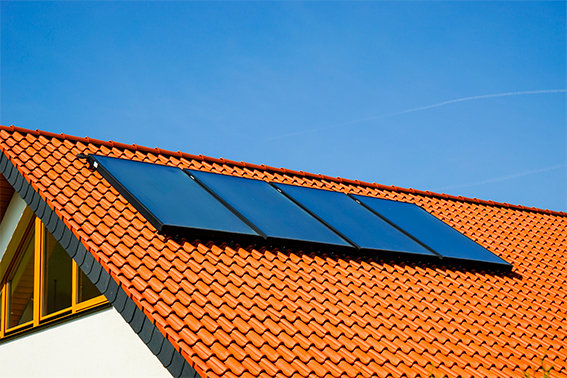
How do Solar Thermal Systems work?
|
It is important to understand the difference between solar thermal and solar photovoltaics (PV). Solar thermal uses collectors to capture the sun’s heat energy to produce domestic hot water which can be used in the home for baths and showers. Solar PV uses panels to generate electricity which can be used to power appliances. Here, we will be focusing on solar thermal systems which Grant UK supply. Grant solar thermal systems can partner with an oil boiler or air source heat pump to meet a home’s hot water demand for much of the year with zero carbon emissions.
Quick links for this blog…
In this blog, we will explain:
- The core components of a solar thermal system
- How solar thermal integrates with boilers and air source heat pumps
- Where can you install solar thermal collectors
- Year-round performance and expectations of solar thermal systems
- Is a solar thermal system right for your home?
- Where you can learn more about Grant UK’s solar thermal systems.
Core components of a solar thermal system
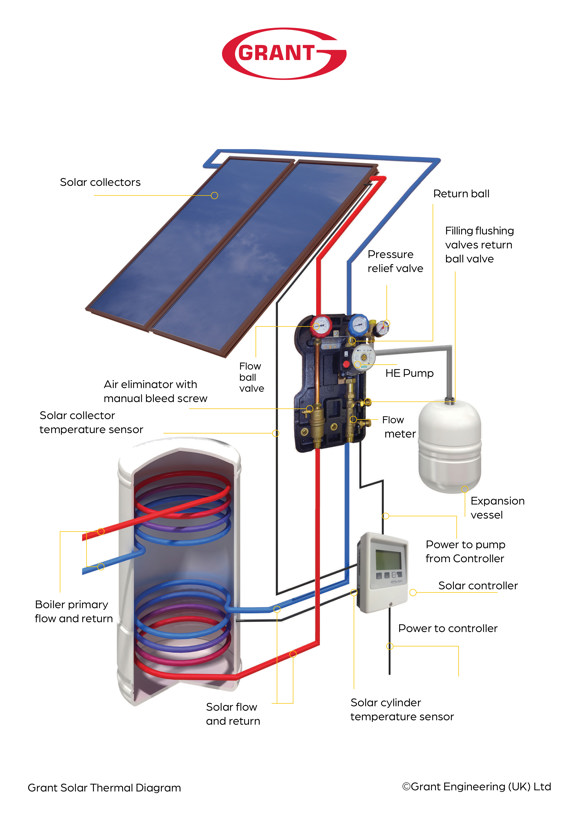
A typical solar thermal system consists of solar collectors, a fluid such as a special glycol/water solution for the heat transfer, a hot water cylinder with a minimum of two internal coils, and associated controls. The diagram below illustrates each of the core solar thermal system components which we will explain in more detail, including:
- Solar thermal collectors
- Pipework and glycol/water solution
- Twin coil solar cylinder
- Solar pump station and controller
- Expansion vessel
Solar Collectors
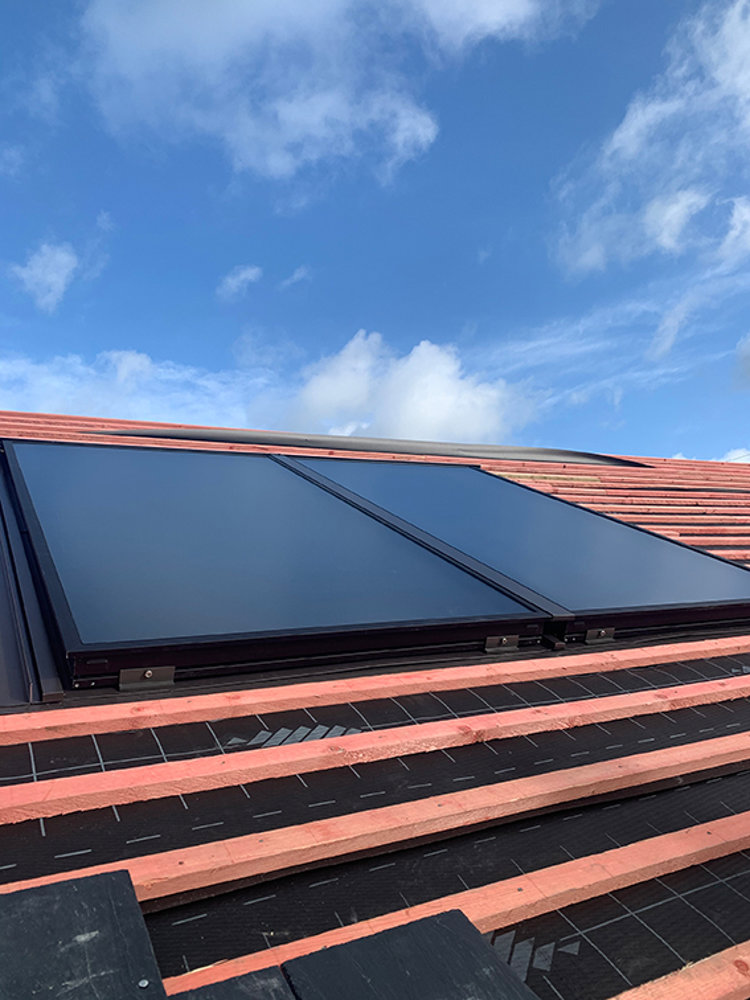
The solar collector is the main component of a solar thermal system as it captures energy from the sun. Within each collector, a heat absorber plate interlocks with a pipework system that contains a special glycol/water heat transfer solution. As this solution passes through the collector, it is heated up by the sun’s energy. This fluid then circulates from the collector to a hot water cylinder where the heat is transferred into the water within the cylinder to produce hot water. The number of solar thermal collectors needed will be confirmed by an installer after they have assessed a property’s hot water requirements.
Grant solar collectors can operate in both direct and diffused sunlight so they continue working even when the sky is cloudy. With solar energy available throughout the year, not just in the summer, a Grant solar thermal system can fulfil a significant proportion of a home’s hot water demand all year round.
Solar Circuit: pipework and heat transfer fluid
As mentioned above, a glycol/water solution – which can also be referred to as the heat transfer fluid – flows between the solar collector(s) to a separate cylinder and it does so through a solar circuit. The solar circuit carries the heated glycol/water solution from the collector(s) to the hot water cylinder. After passing through the cylinder, the cooled glycol/water solution then flows back to the solar collectors, forming a closed loop or circuit. The heat transfer fluid contains glycol which protects the system from freezing, helping to maintain reliable operation. The insulated pipework through which the glycol/water solution flows, minimises heat loss as the fluid travels between the collectors on the roof and the cylinder.
Solar cylinder and internal coils
Solar thermal systems require a cylinder featuring two internal coils to store the hot water. Inside a solar thermal hot water cylinder, one coil positioned towards the top of the cylinder will be connected to the primary heat source (such as a boiler or air source heat pump) and a second coil positioned towards the bottom of the cylinder will be connected to the solar circuit containing the glycol/water solution. While passing through the solar coil, the glycol/water solution transfers its heat into the domestic hot water stored inside the cylinder. It is important to note that the fluid from the collector(s) circulates through the coil and returns to the collector(s) without mixing directly with the cylinder’s water contents.
As previously mentioned, solar thermal cylinders incorporate two internal coils and this is so that more than one heat source can be used to heat up the water. The primary heat source, which could be an oil-fired boiler, gas boiler or air source heat pump for example, will connect to the top coil and will provide additional heat to the cylinder contents when required.
Solar pump station and controller
The solar pump station regulates the circulation of the glycol/water solution through a solar thermal system. The Grant Solar Pump Station features two lines (one for the flow from the collectors to the cylinder and one for the return from the cylinder to the collectors) and all the components are housed inside an insulated enclosure. Some of the primary functions of the Grant Solar Pump Station include:
- Filling and flushing connection points (used during installation and servicing)
- Fluid flow rate regulation
- System pressure and temperature readings
- Check valves for anti-gravitation circulation
- Safety pressure relief valve and discharge connection
- System expansion vessel connection point.
The solar pump station requires a solar controller to operate – Grant UK supply a solar controller for use with their solar thermal systems. The solar controller monitors the temperatures at the collectors and in the cylinder and switches the solar pump on and off when required. The solar controller displays information relating to the system operation, allows settings and parameters to be set for operation, and details protection and safety functions including solar and frost protection and re-cooling.
A suitably sized expansion vessel must also be installed as part of a solar thermal system. An expansion vessel protects the solar system from excessive pressure by absorbing the increased volume of water/glycol heat transfer fluid as it heats up.
How solar thermal integrates with boilers and air source heat pumps
Grant solar thermal systems can be the perfect partner for an oil boiler or air source heat pump. Using a twin coil cylinder, both heat sources can be used to warm up the contents of a hot water cylinder with the solar thermal system heating up the water where possible and the boiler or heat pump being used to heat the cylinder contents when the solar thermal system alone is unable to achieve the desired set temperature. It is important to understand that a solar thermal system will only heat domestic hot water and it will not provide space heating – the primary heat source (a boiler or heat pump) will meet the space heating demand.
Combining solar thermal with other appliances reduces the workload and demand on the boiler or heat pump and can lower fuel and energy consumption.
Where can you install solar thermal collectors?
Grant solar thermal systems can be installed on a variety of roof types, including conventional sloped roofs and flat roofs. When positioning solar collectors, installers should consider the orientation of the property, roof inclination and any shading from nearby trees or buildings. Fitting solar panels on a south-facing roof usually achieves the highest solar gain because the collectors receive more sunlight during the day. Before deciding to purchase a solar thermal hot water system, homeowners should discuss roof suitability and system design with their installer.
Year-round performance and expectations of solar thermal systems
Solar energy is available throughout the year, not just during the summer months. Solar thermal can produce up to 100% of the energy required to meet a home’s domestic water needs during the months of May through to September. When the sunlight is diffused during the winter months, a solar thermal system will still work but additional heat input, from a boiler or heat pump, will likely be needed to fulfil the entire hot water demand. A solar thermal system, such as one supplied by Grant UK, can therefore meet a high proportion of a home’s annual hot water demand, reducing the workload of a boiler or heat pump, especially during the summer months.
Is a solar thermal system right for my home?
Yes. Homes with a suitable roof space and good solar exposure can benefit from a solar thermal system to reduce their carbon footprint and lower their energy bills for domestic hot water production. When researching whether your home is right for solar thermal, here is a quick checklist to run through with your solar thermal installer:
- What is the location and orientation of your home? South facing roofs are typically the best for solar thermal because they receive the most sunshine.
- What is the angle of inclination of your roof? This will determine whether an on-roof, in-roof or flat roof mounting arrangement will be needed.
- Are any trees or buildings shading your roof? Any shading of the collectors needs to be factored in when designing the system.
- What are your hot water requirements? This will usually be determined by how many people are in your household with a higher demand resulting in more collectors and larger size of cylinder.
Discussing your property and hot water usage with a solar thermal installer will help determine whether solar thermal is a good solution for your home.
Learn more about Grant Solar Thermal Systems
Grant UK’s product range includes solar collectors, cylinders and solar thermal accessories designed to work together as a complete solar thermal system. If you are interested in learning more about solar thermal for your home, please follow the links below:
Subscribe to Grant News
Receive the latest news and updates about Grant products and services