Air source heat pumps are a low carbon heating solution that homeowners can install at their homes to fulfil their heating requirements. With lots of choice, the heat pump market can be a confusing place for consumers so in this blog, we will explain some of the key considerations homeowners should be aware of when planning an air source heat pump installation.
Heating Solutions for Homeowners
Are you a Heating Professional?
Products
Knowledge & Support
Explore our Knowledge Hub:
Tips & Advice Education Area Case Studies The Grant House Virtual House FAQs Glossary Visit the Knowledge HubProducts
Unsure what you need?
Use our product finder tool
Knowledge & Support
Explore our Knowledge Hub:
Tips & Advice Education Area Case Studies The Grant House Virtual House FAQs Glossary Visit the Knowledge Hub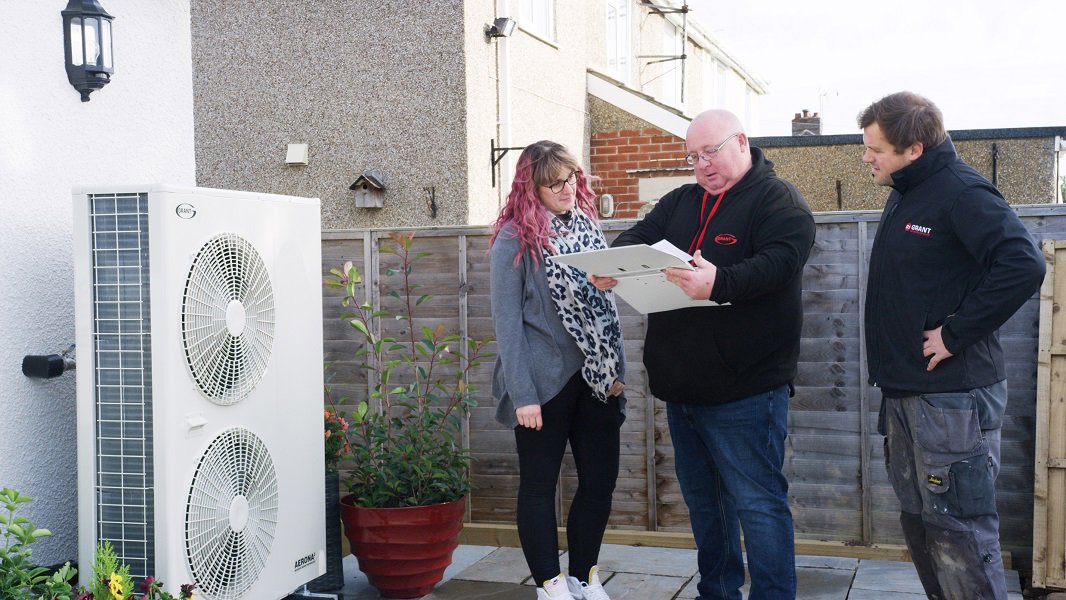
Air Source Heat Pump Installation Guide – what homeowners need to know
|
While air source heat pumps operate differently to traditional heating systems, such as a gas boiler, they are a reliable, more eco-friendly solution for keeping our homes warm. If you are considering installing an air source heat pump, this will not only reduce the carbon footprint of your home but also significantly reduce your reliance on fossil fuels. Furthermore, to help homeowners make the transition from gas or oil boilers to renewable heat pumps, the Government’s Boiler Upgrade Scheme is currently available to provide funding of up to £7,500 (for homeowners in England and Wales currently with a gas boiler) and up to £9,000 (effective from 21st July 2026 until March 2027 for homeowners in England and Wales currently with an oil or LPG boiler) to help reduce the installation costs of an air source heat pump.
In this blog, we will share our homeowner’s guide to air source heat pump installations, taking a closer look at heat pump technology, how to get a quotation for your new system as well as providing useful links to other resources which will help your research.
Quick links for this blog…
In this blog, we will explain:
- A brief introduction to what is an air source heat pump
- What is involved in an air source heat pump installation
- How to know if your home is suitable for an air source heat pump
- How to find the right air source heat pump installer
- Where should a heat pump be installed
- What happens during a heat pump installation
- Whether you need new radiators or underfloor heating with a heat pump
- Do you need planning permission for a heat pump
- How long does a heat pump installation take
- Key questions to ask your heat pump installer
What is an air source heat pump
An air-to-water air source heat pump, such as the Grant Aerona 290, extracts heat energy from the air outside and transfers this into useable heat that can warm your home and provide your hot water. Air source heat pumps today are incredibly efficient and offer homeowners a more environmentally friendly, low carbon solution for heating their home compared to traditional fossil fuel boilers.
What is involved in an air source heat pump installation?
An air source heat pump installation involves three core steps – planning and design, installation and commissioning, and the customer handover. Homeowners should contact their local heat pump installer to discuss their heating and hot water requirements, to receive a quotation for their new heat pump heating system, and to understand the important considerations of a heat pump installation.
Every home is different so each heat pump installation will vary but here are some of the key stages of installing an air source heat pump:
- Heat loss calculations
- System design
- Electricity supply
- Installation
- Pipework connections and wiring
- Control setup and commissioning
- Customer handover
We explain these steps in more detail in our Knowledge Hub and later on in this blog.
Is my home suitable for an air source heat pump?
Most types of homes are suitable for a heat pump but some may require additional works before a heat pump can be installed. Homes with poor insulation levels or inefficient, small radiators may struggle to accommodate an air source heat pump without some energy-efficiency improvements being made to the property. Homes with limited outdoor space may need to consider alternative solutions for siting a new heat pump, for example through wall-mounted heat pump arrangements. Traditional air-to-water heat pumps also require a separate hot water cylinder so space for positioning this inside the home (usually in an airing cupboard) also needs to be factored in.
How do I find the right air source heat pump installer?
Designing and installing an air source heat pump system is different to working with a central heating system that features a gas or oil boiler so it is important that you choose the right professional to install your air source heat pump. Air source heat pumps are low temperature systems so they need to be thoroughly designed with a comprehensive site survey and heat loss calculation carried out, the correct output of heat pump selected and the appropriate heat emitters sized and specified as well. Installers should therefore have completed relevant manufacturer product training.
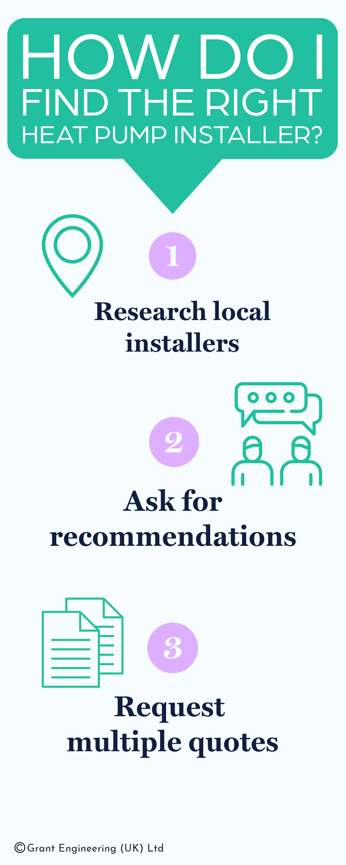
Research local installers
To find local heat pump installers in your area, you can use the Find an Installer search on our website. This search will help you locate G1 Installers who fit Grant air source heat pumps in your area. We would recommend that you contact more than one installer to obtain different quotations to compare.
Ask for recommendations
As part of your research, you could also seek recommendations from friends, family or local neighbours who have already made the move to renewables and had an air source heat pump installed in their home. Customer reviews can also be useful to read so you can visit your installer’s website to view their testimonials.
Request multiple quotes
As mentioned above, it is recommended that homeowners researching a new heating system contact more than one installer so that they can view different quotes to compare their prices and services. This will help you make an informed decision, ensuring that your heat pump installation costs remain within budget while also making sure the system is specified to meet your home’s specific needs.
Where should a heat pump be installed?
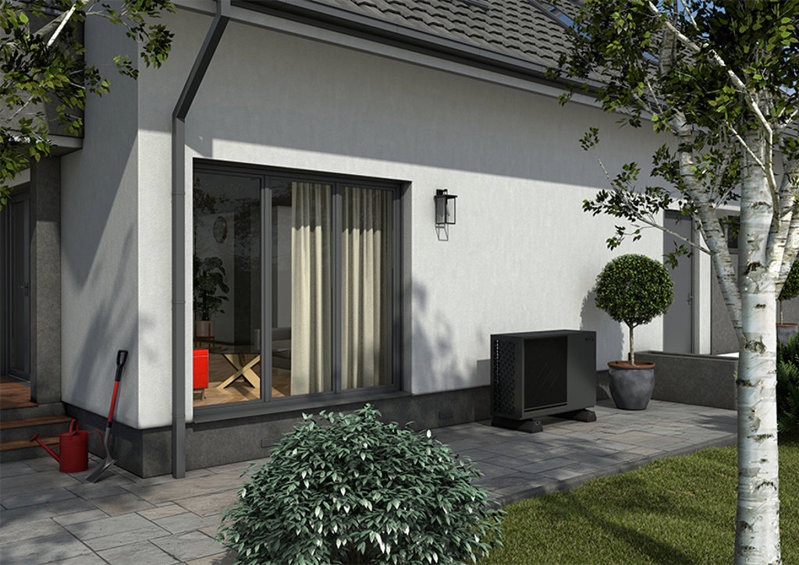
Air source heat pumps, such as the Aerona heat pumps supplied by Grant UK, must always be installed outside. When siting a heat pump, there must be sufficient clearances around the heat pump to allow for plenty of airflow, access for maintenance, and adhere to requirements regarding proximity to neighbouring properties. Also, while heat pumps today operate with very low sound levels, it is also noting that a heat pump will make a slight noise when working so factor in windows and doorways when siting your heat pump. All these considerations should be discussed in full with your installer during the planning and design phase of your heat pump installation.
What happens during a heat pump installation?
The installation process for an air source heat pump will comprise of the following:
- Site Survey and heat loss assessment followed by sizing and specification
- Check electricity supply requirements including DNO application (where applicable)
- Installation of the heat pump and system connections followed by commissioning
- Comprehensive customer handover explaining how the system works, how to operate the controls and how to maintain and look after the air source heat pump
Survey and heat loss assessment
Every heat pump installation should start with a survey of your property and heat loss assessment before your installer designs your new heating system and confirms the products that will be required.
- Heat loss calculations – to work out the space heating requirements for your home, your installer will need to carry out a site survey of your property and room-by-room heat loss calculation to assess its insulation levels as well as the space heating and domestic hot water demand of the household.
- System design – following the heat loss calculation, your new heating system can be designed which includes selecting the right size of heat pump, correctly specifying suitable heat emitters (you may be able to use your existing radiators but in some instances, new radiators may be required), selecting the right size of hot water cylinder and any other components which may be required.
Check electricity supply requirements
Heat pumps use electricity to run so it is important that the electrical supply to your property can accommodate the additional demand.
- Electricity supply – to ensure your property has sufficient electricity supply for a heat pump installation, your installer will need to speak to your local Distribution Network Operator either before or after installation, depending on the heat pump model installed.
Installation, system connections and commissioning
Once you are happy with the quote provided by your installer and all the necessary checks have been completed, your heat pump can be installed, the pipework connections and wiring completed and the system tested and commissioned.
- Installation – your new heat pump should be installed in accordance with the manufacturer's installation instructions. It is important that the heat pump unit is positioned correctly with sufficient air flow and is installed on a solid, suitable base.
- Pipework connections and wiring – any pipework connected to the heat pump which is located outside your home needs to be correctly insulated to prevent against damage during freezing weather and to minimise heat loss. The wiring connections will either be completed by your installer or by an electrician.
- Control setup and commissioning – once your heat pump, hot water cylinder and other system components are installed in place, your installer will be able to carry out the final checks on your new heating system and ensure everything is working as it should. This step involves configuring the heat pump controls.
Homeowner handover
Before your installer leaves, it is important that you feel confident about your new heat pump heating system.
- Customer handover – the last step of a heat pump installation is the handover of the system from your installer to you and your household. Here, your installer should explain how the system operates, what you can adjust and what settings you should not alter.
Do you need new radiators or underfloor heating?
It is a common misconception that installing an air source heat pump will mean you will need new radiators or an underfloor heating system. Some existing radiators may be compatible with a low-temperature heat pump system and your installing engineer will be able to discuss this with you when carrying out the room-by-room heat loss calculation on your home. Heat pumps work most efficiently when they are set to use lower flow water temperatures which typically means that a larger surface area is required to effectively transfer this heat into your rooms. If your radiators are too small or the material they are made from is not efficient, your installer may recommend new radiators or underfloor heating.
Can air source heat pumps work with radiators?
Yes, air source heat pumps can be installed with traditional radiators but it is important that they are correctly sized. Air source heat pumps are low temperature systems which means that the water flow temperature is lower than a traditional heating system using a boiler and therefore a larger surface area is required to emit heat into a room. This is why heat pumps are often installed with underfloor heating or with a combination of UFH and radiators. However, provided the radiator sizes are correctly designed, radiators can be installed with a heat pump.
Do you need planning permission for a heat pump?
Planning permission is not usually required for installing a new air source heat pump because it should fall within the permitted development rights for most homes in England, Wales and Scotland. Some air source heat pump installations will require planning permission if the property is a listed building, if it is located in a world heritage site, and in some cases when multiple heat pump units are being installed. It is always recommended to check with your local planning authority for the latest requirements in your area.
How long does a heat pump installation take?
The average air source heat pump installation will typically take between 2-3 days. For installations involving wider heating system upgrades, such as energy-efficiency improvements, installing new radiators or laying a complete underfloor heating system, the installation time will take longer. Installing an air source heat pump system does take longer than the average boiler installation but your installer will be able to give you a more accurate timeframe for how long it will take to install a new heat pump at your home.
What should homeowners ask their installers?
When your installer is quoting you for a new heat pump installation, you should discuss in detail your space heating requirements and preferences (for example, do you prefer warmer room temperatures), how much hot water your household uses and needs, and what to expect from a low-temperature, energy-efficient air source heat pump.
During these conversations, here are some of the questions you may want to ask your installer:
- Is my home suitable for a heat pump or do I need to improve the energy-efficiency of my property first?
- What size air source heat pump will I need?
- Can I use my current hot water cylinder with a heat pump?
- Do we need to change our radiators to work with a heat pump?
- Can I control my new Grant heat pump with app-based controls?
- What warranty will my Grant heat pump have?
- How often should I service my air source heat pump?
- What is the expected running performance for my new system and how can I read my heat pump’s performance data?
Grant UK – suppliers of high quality air source heat pumps
Grant UK not only supply reliable, highly efficient air source heat pumps but they also supply complete renewable package solutions including hot water cylinders, underfloor heating systems and aluminium radiators. Our network of G1 Installers can install your new heating system as well as being on hand to service and maintain your Aerona³ heat pump or Aerona 290 heat pump in the future. G1 heat pump installers can offer 7 year guarantees on the Grant heat pumps they install (terms & conditions apply), providing peace of mind to their customers. Please follow the links below to take your next steps towards a finding a heat pump for your home.
- Discover the award-winning Grant air-to-water heat pump range
- Find a local G1 heat pump installer
- Contact the Grant UK Team
[This blog was originally published on 6th December 2023 and updated on 23rd June 2026.]

Helen joined Grant UK’s Marketing Department in January 2015 and is responsible for overseeing Grant UK's G1 installer loyalty programme, customer communications and copywriting.
View ProfileSubscribe to Grant News
Receive the latest news and updates about Grant products and services